Heysel ’85 is the definitive, eye-opening drama that finally looks past Liverpool terrace narrative
fourfourtwo
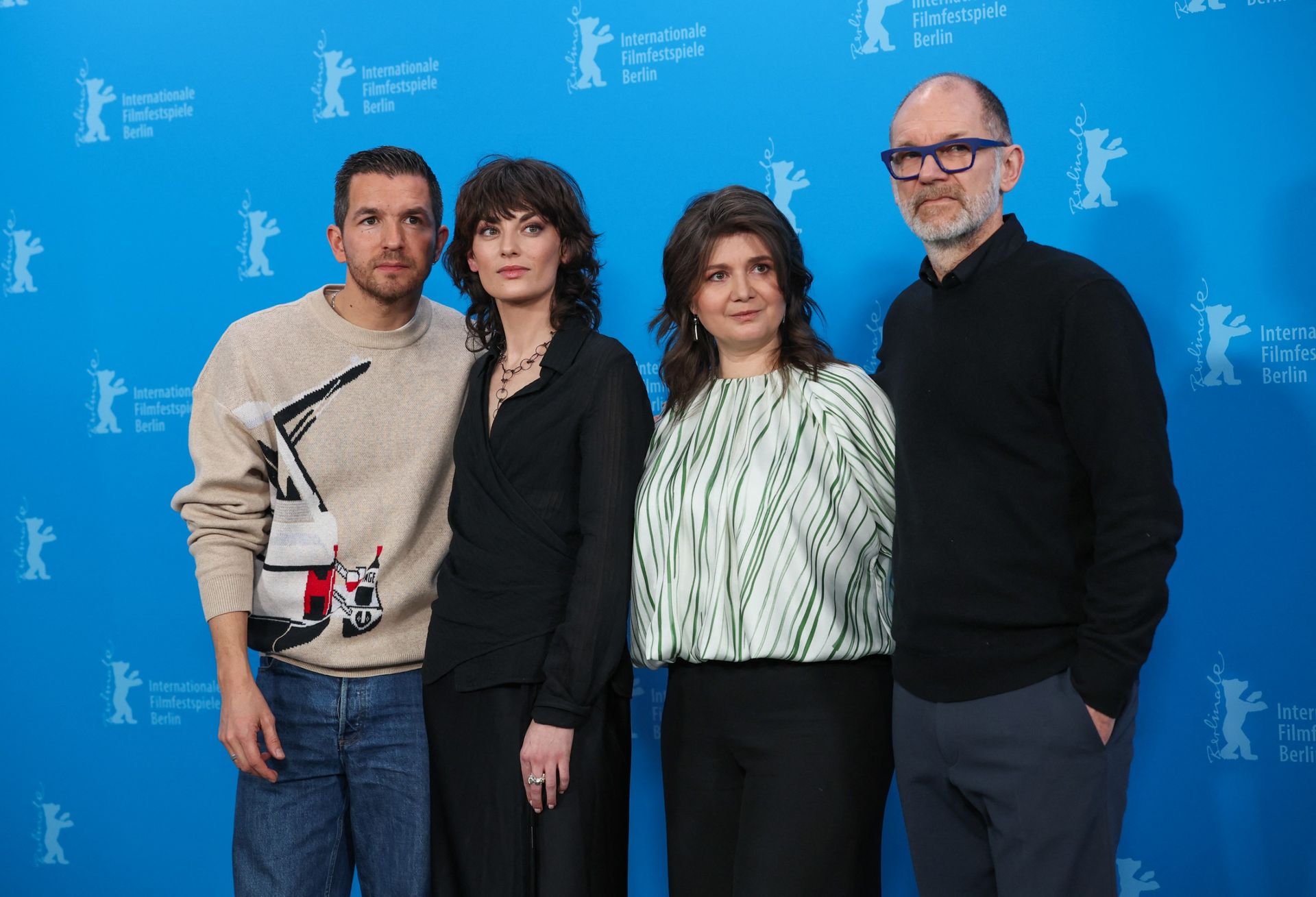
For the past 40 years, the tragedy of the 1985 European Cup final has often been reduced in mainstream British discourse to a single, monolithic headline: football hooliganism. In Heysel ’85, director Teodora Mihai bypasses the familiar cliches of terrace culture to produce something which seeks to change the conversation surrounding the disaster. Coming from a documentary background, Mihai approaches the disaster not as a reflection of senseless violence, but as a study into institutional breakdown and the callous, self-preserving instincts of political power. The film anchors its narrative through two parallel viewpoints. The principal perspective belongs to Marie Dumont (Violet Braeckman), the fictional press attaché and daughter to the Mayor of Brussels. Braeckman, a polyglot who learned Italian specifically for the production, delivers a performance of quiet, escalating dread as she watches the veneer of civic competence crumble from within. Operating on the other side of the crisis is Luca Rossi (Matteo Simoni), an Italian broadcast journalist reporting live from the ground while desperately trying to locate his father, uncle, and brother, all attending the match as Juventus supporters. Early on, Mihai builds tension through procedural unease. Disorienting, fluid tracking shots wind through subterranean corridors, establishing a sense of foreboding long before the tragic events unfold. Shot in an empty hospital in Antwerp, the oppressive concrete hallways reflect the popular view that the Heysel Stadium, built in 1930, was run-down and unfit for a fixture of such magnitude by the mid-1980s, something which is referenced in the film. The film avoids the trap of laying blame at the feet of ticket touts, generic mobs, or rowdy Liverpool supporters. It is deeply sympathetic to the ordinary fans caught up in the events of May 29, 1985, casting a forensic eye upward at the organisers. UEFA executives, the local municipal government, and a fractured security apparatus are all painted in an unflattering light. The territorial friction between the municipal police and the Belgian Gendarmerie is laid bare; their reluctance and inability to share intelligence or coordinate chain-of-command turns an already combustible situation into an avoidable tragedy. Nowhere is this administrative failure more grotesque than in the depiction of the Mayor of Brussels (played by Josse De Pauw). Portrayed as a sozzled, cowardly executive, his characterisation is rooted in historical reality. According to Braeckman, De Pauw knew the real-life mayor Hervé Brouhon, a figure regarding whom it was openly joked in local political circles that any serious decisions had to be made before 11am. The film captures the hollow facade of authority dissipating in direct proportion to his alcohol intake. In one particularly telling sequence early on, Marie is dispatched to fetch the key to the stadium’s liquor cabinet so the mayor and his dignitaries can enjoy a proper drink. It is a bitterly ironic snapshot of municipal priorities just hours before 39 people would lose their lives. When catastrophe strikes, the narrative strips away any remaining shred of civil propriety. Mihai’s documentary sensibilities ensure the integration of genuine, unaltered archive footage feels seamless rather than exploitative, anchoring the fictional protagonists in historical reality. While the Italian delegation emerges with a degree of grace and anguish, UEFA and local authorities retreat into corporate damage control, consumed entirely by liability, protocol, and the insistence that the match must still be played. By refusing to take the easy narrative route of sensationalising terrace thuggery, Heysel ’85 delivers an important, unsettling reassessment of the catastrophe. It is an indictment of systemic cowardice that proves human lives were not lost merely to crowd surges, but to the arrogance of an establishment that abdicated responsibility long before kick-off - and, tellingly, never resigned in its wake. Following its UK premiere at the 70th BFI London Film Festival, Heysel ’85 will be released in UK cinemas on 20 November 2026, distributed by Icon Film Distribution.Heysel '85 offers a hard-hitting cinematic perspective on the stadium disaster