Staggering cost of being a football fan in 2026/27 proves UK fans are STILL being ripped off
fourfourtwo
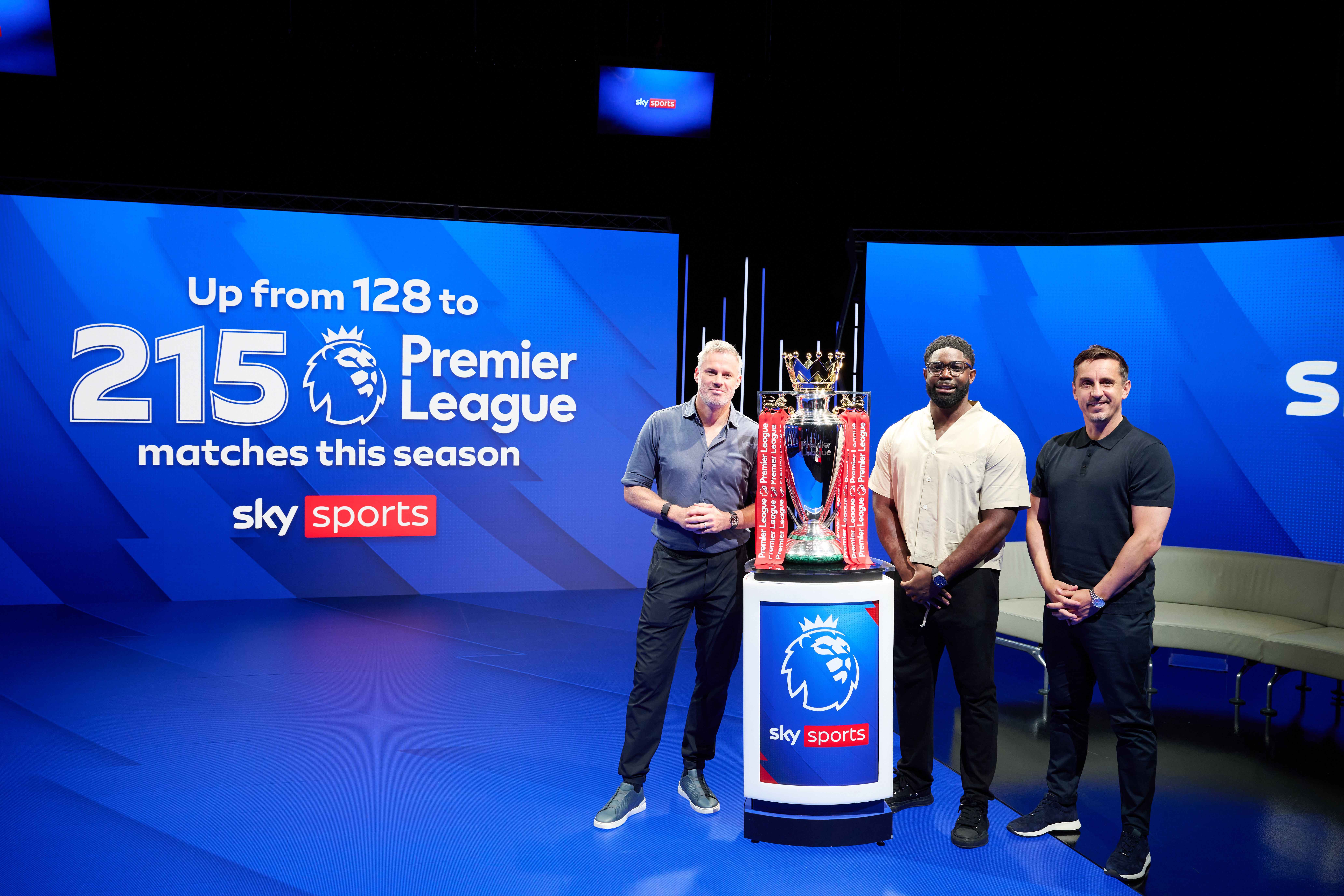
The footballing revolution will be televised – just not if you live in the UK. A new direct-to-fan streaming service has been rolled out by the Premier League that offers access to all 380 of this season’s games live and direct for armchair viewers. Launched under the banner of ‘Premier League +’, the English top flight is making tangible strides towards a long-touted Netflix of football model, alias ‘Premflix’, with their new one-stop shop from the comfort of your living room, tablet or wherever else people get their football fix. Appetite for a similar move on home soil is already growing with YouGov revealing that 42% of 876 football fans polled online last year endorsed the prospect of signing up for a potential Premier League in-house platform. But the wealth is not set to be shared. Only supporters in Singapore will reap the benefits of the service created in tandem with the league’s longstanding international broadcast partner, StarHub, which will provide it to those in the former British outpost. Even before the new deal’s announcement, Singaporeans and expats alike have long enjoyed the trappings of Premier League football screening outside of those available on home soil. Varying kick-off times over the past two decades helped cultivate devoted armies of night owls and early risers wanting their fill of the so-called ‘greatest league in the world’. They are not alone, either, with fans across the globe able to tune in for games from stadiums up and down the country at all hours of the day. Meanwhile, those based in the league’s domicile continue to be hamstrung by exorbitant costs and other rigid constraints. Premier League + has been costed at around £25 per month, disproving the theory that watching live football at a premium is unavoidable. It's a similar story in other territories with the United States, South America and the Middle East also offering coverage at significant markdown prices. UK-based viewers, in contrast, will have to stump up as much as three times Singapore's figure for access to games on Sky Sports and TNT Sports, which only accounts for 267 of the 380 games in the forthcoming campaign. However, it doesn’t stop there. Alongside a TV licence, consumers would need to subscribe to eight different services to access to all available matches in the Champions League and Europa League, EFL competitions, LaLiga, Serie A, Bundesliga and Ligue 1 for an eye-watering minimum of £132.97 per month. DAZN, Premier Sports, ESPN via Disney+, Amazon and even Ligue 1 itself all now have cuts of the pie. What remains goes to free-to-air platforms BBC and ITV, once bastions of mainstream football coverage now forced to settle for little more than crumbs. Worse still, Ligue 1’s newly launched streaming platform at £17 monthly is the only subscription that covers all bases for games in a single competition with screened matches for the rest of Europe's main five leagues disproportionately split between no fewer than two different providers. Those fixated exclusively on Premier League matters will have to shell out £791.88 just to watch games legally according to research by eSIMatic. There is also is still no legitimate route to watching this season’s remaining 113 matches not covered by its leading broadcast partners. The 3pm blackout remains an ongoing bone of contention that prevents supporters unable to attend matches from seeing their team, or indeed any other football match, in the traditional timeslot. What advocates for preserving the sanctity of the blackout overlook is that it isn’t done out of a goodness for the game, nor was it ever. The concept for a ban on televising top tier games taking place between 2.45pm and 5.15pm on Saturdays was originally put forward in the 1960s by Burnley chairman Bob Lord, a fierce opponent of football being broadcast live who argued that it would protect attendances at lower-league games. But a potential ulterior motive for the proposal emerged when he declared, much to widespread disdain, in a keynote speech to the Variety Club in March 1974 that, “We have to stand up against a move to get soccer on the cheap by the Jews who run TV”. Yet broadcasters appear just as in favour of enacting prohibition as those who see it as the last vestige of football tradition which should be preserved at all costs. Jeff Stelling’s impassioned argument against the abolition of the blackout may have come from a genuine place as a lifelong Hartlepool fan but, equally, he will know that a change to the status quo would effectively kill one of its golden gooses. As the former presenter of Sky's Soccer Saturday for 29 years, Stelling will be all too aware of the cult-like following the programme continues to enjoy in offering alternative coverage of the action. Prince William has been a vocal critic of the blackout with the Football Association figurehead and future king describing an inability to watch his beloved Aston Villa in the 3pm time slot as ‘irritating’ on the occasions when he is precluded from observing from the directors’ box. Cunning supporters continue to bypass the archaic ruling through illegal streaming routes; something that routinely finds itself on the front pages of national newspapers as part of a crackdown campaign by the Premier League and UK authorities. Those prosecuted for facilitating workarounds through jailbroken technology are paraded as public enemies in the fight against of online piracy rather than symptomatic of a wider problem. Football is not a TV show but its riches continue to elevate the Premier League season on season without giving anything back to those on which it made its fortune. New research by working class think tank Democracia84 found that fans aged between 18 and 35 in the game’s traditional heartlands are being squeezed financially due to a 47% increase in the cost of football between 2015 and 2025 while household income has flatlined. Changing habits in how the game is consumed, with a technology-driven shift now more pronounced than at any other stage, further pushes the risk of a wider disconnect with the sport. Loopholes to the blackout do exist without running the risk of criminality, as all domestic football being made available free from the usual restrictions during Covid attests. A technicality in UEFA’s Article 48, which can only be enforced when 50% of matches in a country’s top two divisions are played simultaneously, was also waived for the EFL's opening weekend earlier this month while the Premier League remained on summer hiatus. Up to 25 matches across the Championship, League One and League Two were screened live, with concerns around dwindling attendance figures seemingly ignored. That particular argument is yet to be fully proven with average figures for last season’s Championship standing at 26,684 while the drop between divisions saw League One’s clock in at 9,912 – a drop of more than two-and-a-half times that figure – and League Two’s deficit was double that at 4,164. The merits of a continued blackout will be revisited in the next 18 months when the new broadcast rights cycle is set to be finalised ahead of the 2029/30 campaign, but a new contender has already potentially emerged in the battle to implement ‘Prem Flix’ on native shores. Jeff Bezos’s recent arrival at Liverpool as a minority investor with the 1892 Holdings consortium hints at more than a vanity purchase with the Amazon mogul’s Prime Video platform successfully muscling in on Premier League and Champions League games over recent seasons. The e-commerce giant has already won over fans with its innovative yet no-nonsense coverage of the flagship competitions; offering multigame access and the option to replace banal commentary with raw crowd audio. Despite losing access to the English game, Amazon have continued to keep their hand in on live football by also offering selected Nations League matches through a pay-per-view service. An opportunity for Bezos to usurp Sky and TNT as the official home of Premier League TV coverage is likely to prove too strong to resist. The Singapore deal proves that televised football can be made affordable and accessible to those watching through a screen; something fans in the UK continue to be told is impossible. Removing the current barriers would not only enrich the Premier League’s already sizeable cash cow but also help reduce the rise of illegal streaming by providing a viable alternative. Until those at the top acknowledge a need to move with the times, though, the needless fleecing for the supposed 'good of the game' will continue apace.Homegrown fans still getting a raw deal on televised football