The General People's Congress at 44: Legacy, Challenges, and the Path to National Revival
وكالة خبر للأنباء
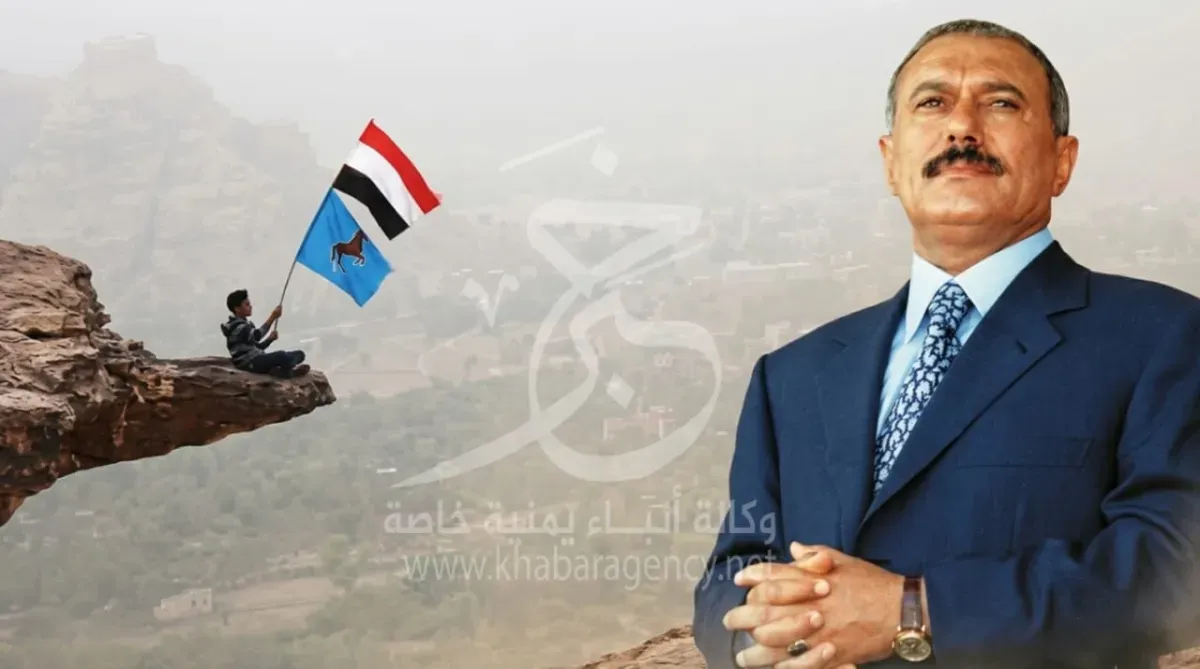
As the General People's Congress (GPC) approaches its 44th anniversary on August 24, the party reflects on its complex history since its founding in 1982 under the leadership of the late President Ali Abdullah Saleh, aiming to assess its enduring legacy and the urgent challenges involved in reclaiming its national role.
Established as an inclusive political framework, the GPC emerged during a critical juncture in Yemen’s history. Over four decades, it functioned as a broad political and social umbrella, guided by the National Charter and a commitment to republican principles. Its tenure was marked by significant achievements, including the unification of Yemen in 1990, the development of national infrastructure, and the institutionalization of a multiparty system that introduced regular parliamentary and presidential elections as a mechanism for political participation.
However, the party has faced severe setbacks, particularly following the 2011 political transition and the subsequent Houthi coup in 2014, which dismantled state institutions. Today, the GPC grapples with internal fragmentation, a need for leadership renewal, and the imperative to modernize its political discourse. Observers note that the party must address past organizational deficiencies, specifically the reliance on superficial loyalty rather than genuine engagement with its grassroots members, who remained steadfast throughout the country's ongoing conflict.
Significant attention is currently directed toward Ahmed Ali Abdullah Saleh, the party’s Vice President, following the lifting of UN sanctions against him. Many within the GPC view his leadership as a potential catalyst for unifying the party’s fragmented ranks, restructuring its decision-making centers, and restoring its political influence. His role is seen as essential for reconciling diverse factions and opening diplomatic channels that could facilitate national reconciliation and the eventual restoration of state authority.
Ultimately, the GPC stands at a pivotal crossroads. To remain a relevant national actor, the party must move beyond its past reliance on historical prestige and actively embrace internal reform. By prioritizing its loyal base, empowering its youth, and fostering a collaborative political environment, the GPC seeks to re-establish itself as a cornerstone of Yemen’s future. In a nation exhausted by war, the revitalization of the GPC is viewed by many as a vital step toward ending the current crisis and rebuilding a stable, unified state.